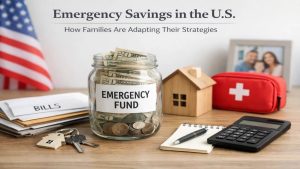
In recent years, managing finances has become increasingly important for families across the United States. With economic uncertainties and unexpected expenses on the rise, the ability to set aside funds for unforeseen emergencies has become a priority.
Emergency reserves are not just a safety net; they represent peace of mind and financial stability in a volatile world. As American households adapt their strategies, understanding the current landscape of emergency funds becomes crucial for fostering a more secure financial future.
Adapting to economic challenges
In today’s rapidly changing economic climate, families have been forced to rethink their approach to emergency savings. Uncertainties such as job losses, medical emergencies, and economic downturns have put significant pressure on household budgets. As a result, many families are focusing on creating more robust financial cushions.
Previously, setting aside a small portion of monthly income might have sufficed, but in recent times, more extensive planning and resourcefulness are being implemented to ensure that these funds are adequate in case of a crisis.
The shift towards a more proactive approach has led families to explore diverse methods of saving. Beyond traditional savings accounts, people are exploring investment opportunities that offer the potential for growth while maintaining liquidity.
Diversifying where funds are kept not only helps mitigate risks associated with economic fluctuations but also opens doors for more substantial savings in the long term. This evolving mindset marks a transition from passive to active financial planning, embracing new tools and technologies to optimize savings and financial preparedness.
Digital tools and financial literacy
One noticeable trend is the growing reliance on digital tools to manage and track savings. Mobile apps and online platforms offer families user-friendly interfaces to monitor their finances daily. These technologies provide real-time tracking of expenses and savings goals, making it simpler for families to make informed decisions about their spending habits.
Additionally, educational resources built into these platforms are helping improve financial literacy, enabling users to better understand the importance of emergency funds and how to effectively build them.
However, while technology provides these advantages, it is crucial to foster a strong foundation of financial education alongside. Many families are turning to online courses, workshops, and financial advisors to boost their understanding of personal finances.
By combining these educational resources with digital tools, families can create comprehensive strategies that empower them to navigate financial challenges competently. This approach ensures a sustainable path toward achieving and maintaining a solid financial reserve.
Building resilience through community support
Community-based support systems have emerged as a crucial element in strengthening family financial strategies. Many communities have developed programs that promote collective savings and emergency funds.
These initiatives encourage families to pool resources or contribute to community-wide funds, which can be accessed during financial emergencies. Such collective efforts not only provide a cushion for individuals but also strengthen the financial resilience of the entire community.
Moreover, these community engagement efforts foster a sense of solidarity and mutual assistance. By participating in such programs, families gain access to advice, resources, and a supportive network that shares a common goal of financial stability.
This communal approach also enhances accountability and motivation, as participants encourage each other to stay on track with their savings goals. Ultimately, this collective resilience-building initiative offers an important layer of security for families.
Learning from past experiences
Examining past economic challenges provides valuable lessons for families preparing for financial uncertainties. Over the years, economic downturns have offered insights into the importance of having a well-prepared financial cushion.
Learning from past mistakes and successes in managing finances can guide families today as they navigate similar challenges. By analyzing which strategies were successful and which were not, families can make more informed decisions regarding their emergency reserves.
This reflective approach helps identify areas needing improvement and aspects that require reinforcement. It encourages families to not only learn from their experiences but also from those shared within their communities.
By integrating these lessons into their financial planning processes, families can enhance their preparedness for future uncertainties. This proactive stance builds a foundation of financial durability that extends beyond individual households, contributing to broader economic stability.
Concluding thoughts on financial preparedness
The evolving landscape of emergency savings strategies reflects a growing awareness of the need for financial preparedness in uncertain times. As families across the United States adapt their approaches, they embrace a multifaceted view of saving, leveraging digital tools, enhancing financial literacy, and building community resilience.
These comprehensive strategies mark a significant shift toward more robust financial planning, enabling families to confidently face unexpected challenges. The journey towards achieving sound financial reserves is ongoing and dynamic, requiring continuous learning and adjustment.
By staying informed and flexible, families can strengthen their ability to weather economic storms and ensure a stable financial future. These adaptations not only benefit individual households but also contribute to the overall economic health of communities, creating a ripple effect of positive change across the nation.
Ultimately, these modern strategies for emergency funds act as vital tools for safeguarding family finances and ensuring long-term prosperity. By building and maintaining reserves, families can reduce financial stress, avoid high-interest debt, and make more confident decisions in uncertain times.