
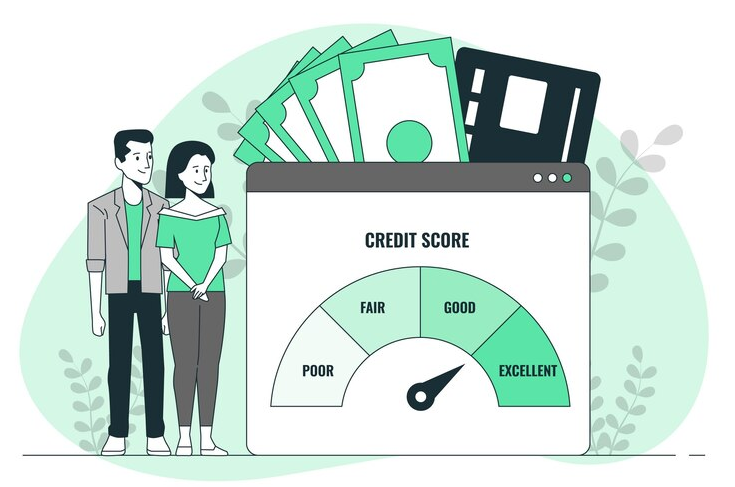
Understanding your credit score is crucial for managing your financial health in the United States. Whether you’re applying for a loan, renting an apartment, or even getting a new job, credit scores play a significant role.
This article aims to provide a comprehensive overview of credit scores to help you understand their importance, how they are calculated, and how to improve them. By the end of this guide, you will have a clearer picture of how these scores work and how they impact various aspects of your financial life. Check now!
What Is a Credit Score?

A credit score is a numerical expression that represents an individual’s creditworthiness. This number is based on a level analysis of a person’s credit files, and it helps lenders evaluate the probability that the individual will repay their debts. In the United States, credit scores are primarily determined by the FICO and VantageScore models.
These scores typically range from 300 to 850, with higher scores indicating better credit health. While different financial institutions may have their variations, a good credit score generally begins around 670.
The higher the score, the better the chances of being approved for loans at favorable interest rates. Understanding what makes up this crucial number can give you insights into how to manage your financial activities better.
Components of a Credit Score
Your credit score is calculated based on several factors. The primary components include payment history, amounts owed, length of credit history, new credit, and types of credit used. Payment history, which accounts for 35% of your score, is the most significant factor. Late or missed payments can drastically lower your rating.
The amounts owed, or your credit utilization ratio, make up 30% of your score. This ratio measures the amount of credit you’re using relative to your total credit limit. Keeping this ratio below 30% is advisable for maintaining a healthy score.
The length of your credit history contributes 15% to your score, while new credit and the types of credit used each account for 10%. Knowing these components can help you prioritize your actions to improve your rating.
Importance of a Good Credit Score
A healthy credit score opens doors to numerous financial opportunities. It can help you secure lower interest rates on mortgages, auto loans, and other types of credit. Additionally, a good score may improve your chances of being approved for rental applications and can even influence job prospects.
On the other hand, a poor credit score can limit these opportunities and result in higher interest rates, costing you more money over time. Some insurers also use credit scores to determine premium rates, which means a low score could lead to higher insurance costs. The benefits of maintaining a robust credit profile are evident, impacting not only your borrowing capacity but also your overall financial well-being.
How to Improve Your Credit Score
Improving your credit score is very achievable with a disciplined approach. One of the most effective ways is to ensure timely bill payments. As payment history is the most significant factor, consistently paying bills on time can significantly boost your score. Another critical area is managing your credit utilization ratio. Aim to keep this ratio below 30% by paying off balances and not maxing out your credit cards.
Regularly monitoring your credit report for errors or discrepancies and disputing them can also prevent unnecessary negative impacts. Building a diverse credit portfolio and avoiding frequent hard inquiries will further strengthen your credit score over time. Let’s delve into some specific strategies to help you on your journey.
Timely Payments and Managing Debt
Set up automatic payments or reminders to ensure all your bills are paid on time. Late or missed payments can stay on your credit report for up to seven years, so consistency is crucial. If you have existing debt, prioritize paying off high-interest loans first.
Consider consolidating debt through a personal loan if it lowers your interest rate and helps you manage payments more efficiently. Reducing the total amount of debt can positively impact your credit score over time. Staying organized and disciplined in your financial activities will create a solid foundation for improving your credit score.
Monitoring and Disputing Errors
Regularly checking your credit report is essential for identifying and correcting inaccuracies. You are entitled to one free credit report annually from each of the three major credit bureaus: Equifax, Experian, and TransUnion.
If you find any errors, dispute them immediately. File a dispute with the credit bureau that reported the inaccuracy and provide supporting documentation. Correcting these mistakes can result in an immediate improvement in your credit score.
Keeping an eye on your credit report helps you stay informed and proactive in managing your financial health. By understanding and implementing these strategies, you can take control of your credit score and ultimately your financial future. Stay disciplined, be proactive, and watch your credit score improve over time.