
Budgeting when you are a single parent comes as one of the biggest hurdles you will face financially. Given that solo caregivers have many challenges specific to their circumstances, it’s important to have a strong framework for financial security.
So in order to plan for a positive future for not only you but for your children as well, proper planning is required. Below are some of the major findings and practical recommendations for single parents within the USA in order to understand how to function effectively in the sphere of finance.
Single parenthood demands one to be financially smart and always thinking about the next penny to save and how to plan for it. Losing a second income source adds pressure on the finances, nevertheless, it is possible to develop effective ways and means of ensuring that the family acquires a solid and lucrative base. Now, it is time to discuss how one can improve the financial situation and design the financial security plan.
Setting Financial Goals as a Solo Caregiver

Start with financial goals, where you want to get to and by when. This could be petty targets like creating for an emergency fund or future goals like saving for your child’s college fees. If you are aware of your goals you will be in a position to manage your finance properly by having a map to follow.
Basically, the main reason driving the achievement of these goals is that they are set within certain parameters that improve their chances of success: the goals must be specific, measurable, achievable, relevant, and time-bound, which makes the acronym SMART. For instance, rather than mentioning, “cut on expenses,” try to indicate the number of dollars you want to save per month.
The financial goals should also be or assessed and updated from time to time. Life changes happen, and your financial operating plan must change with them to be useful and responsive to the new conditions.
Creating a Realistic Budget
Budgeting is very important because it help is control money spending. The first step that you can take in creating your budget is to list down all of your streams of income and your monthly expenditures. Dichotomize these expenses into the necessary ones like food and shelter and the frivolous ones like eating out and going to the movies.
A good rule of thumb is to adopt the 50/30/20 rule: Now a days people spend 50% of their income for unavoidable or essential items, 30% on desires or fancy items and last 20% on savings and debts. This distribution assists in making sure you’re receiving the necessities of life while at the same time actively accumulating wealth.
Urgent and unexpected expenses may drive you into more debts if you do not take time to review your budget now and then. If it is seen that one is spending more than the necessary amount in some categories, try to reduce such expenses and use that money for the necessary needs.
Emergency Funds and Savings
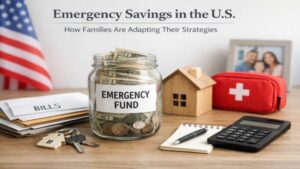
Emergency fund is important when you are a single parent. This fund can also be used in emergency occurrences when one is in need of some cash like for medical bills, car maintenance, or when laid off. Ideally, one should try to establish an emergency fund that will cover amount equal to thrice or six times the amount of living expenses.
Auto-save by directing a certain amount each month to be transferred from your checking to your savings account. This minimizes cases where one would be inclined to spend money that has to be saved and in the process makes saving easier.
Aside from an emergency fund, open several other ‘buckets’ for the other budgets that include vacations or other major purchases. Maintaining such funds separate ensures one does not use up their emergency funds for non-emergencies.
Managing Debt Efficiently
Solo caregivers should manage debt strategically by prioritizing high-interest debts and considering consolidation for lower rates and easier payments. Utilize resources like credit counseling for effective debt management, which can provide relief and improve financial stability.
Leveraging Government and Community Resources
Utilize government programs for single parents that offer assistance with healthcare, food, housing, and childcare to ease financial strain. Explore community resources like non-profits for financial counseling and job training. Joining support groups for single parents can provide valuable insights and recommendations.
Investing in Your Future
Investing helps grow wealth over time, even with a tight budget. Start small with regular contributions, focusing on retirement accounts like a 401(k) or IRA. Research investments that match your risk tolerance and goals, and diversify to minimize risk. A financial advisor can offer tailored advice and strategies.
In summary, financial planning for single parents in the USA involves setting goals, budgeting, maintaining an emergency fund, managing debt, leveraging resources, and investing wisely. By taking these steps, you can achieve financial stability and security for your family.