
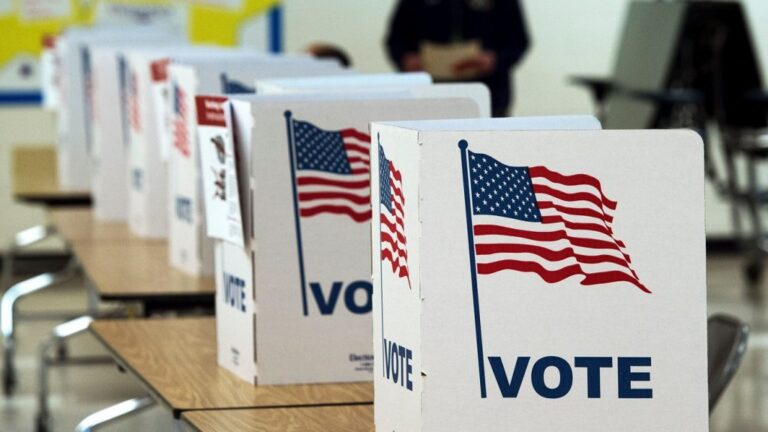
Every four years, the American elections create a ripple effect that significantly impacts the financial market. These democratic processes, where citizens of the United States elect their national leaders, have far-reaching consequences that resonate through global economies and financial systems.
The decisions and policies implemented by newly elected officials can lead to major changes in economic strategies, trade agreements, and fiscal policies. Investors, businesses, and governments worldwide keenly observe the outcome, adjusting their strategies to align with new political landscapes. In this blog, we will explore how these elections influence the financial ecosystem, examining market volatility, investor sentiment, and policy implications.
Market Volatility During Election Periods

Market volatility often spikes during election periods due to uncertainty about future political and economic policies. Financial markets are driven by investor sentiment, which fluctuates based on perceptions of risk. Election outcomes that are unexpected or highly contested can exacerbate these fluctuations.
For example, polls and predictions significantly influence investor behavior. A favorable outcome for pro-business candidates can spur positive market movements, while the opposite can trigger a market downturn. Traders often adopt a cautious approach, leading to lower volumes and potential market stagnation until results are clear.
Historical data reveals that markets generally prefer stability and predictability. Sudden policy shifts, government changes, and regulatory uncertainties heighten investor anxiety, driving more sporadic movements in stock prices and other financial instruments.
Impact on Stock Market
The stock market is one of the most sensitive areas affected by presidential elections. A new administration can bring in changes to corporate tax rates, trade tariffs, and regulatory measures impacting various sectors differently. High-growth industries such as technology and healthcare can be particularly vulnerable to policy alterations.
Furthermore, investor sentiment toward a particular candidate or party can result in pre-emptive market shifts. For instance, an expected win for a candidate with market-friendly policies often results in bullish behavior. On the other hand, unexpected outcomes can cause significant sell-offs.
Investments tied to election-sensitive industries like renewable energy, defense, and infrastructure also react to election rhetoric and potential policy direction, magnifying market volatility.
Forex Market Fluctuations
The currency market (forex) also sees substantial changes during American election seasons. Foreign exchange rates are highly sensitive to political developments because they impact trade balances and international debt obligations. A perceived stability under one candidate can lead to a stronger U.S. dollar, while the opposite can weaken it.
Election period uncertainty often benefits safe-haven currencies like the Swiss franc or Japanese yen. Investors looking to hedge against dollar volatility shift their portfolios, affecting global currency exchanges. Moreover, expected changes in foreign policy can influence international investors’ confidence in the U.S. economy.
The forex market’s significant liquidity and trading volume make it an essential focus during these times, with currency values pegged on the anticipated economic direction stemming from election outcomes.
Policy Implications and Economic Strategies
American elections lead to changes in national policy trajectories, which broadly impact financial markets. Economic strategies around taxation, trade agreements, and fiscal spending are often reevaluated with each new administration. These policies play a crucial role in shaping the business environment.
For instance, a new administration may introduce significant tax reforms affecting corporate profits. These changes reverberate through financial markets, as companies adjust their earnings forecasts and investment plans. Additionally, fiscal policies around government spending and debt management influence economic growth projections and market stability.
Understanding the potential policy shifts can help investors make informed decisions. Knowing whether the focus will be on stimulating growth through infrastructure spending or tightening fiscal discipline can guide investment strategies and risk management approaches.
Trade Policies and Agreements
Trade policies are another critical area affected by electoral outcomes. Different administrations prioritize different trade partners and agreements, impacting global trade dynamics. Changes in tariffs and trade restrictions can either create opportunities or pose challenges for various industries.
For instance, an administration with a protectionist stance may introduce higher tariffs on imported goods, benefiting domestic industries but straining international relations and supply chains. Conversely, a pro-globalization administration might enhance trade partnerships, boosting cross-border investments and market confidence.
International trade relations and the subsequent policy changes significantly influence investor sentiment, affecting stock markets and foreign exchange rates worldwide.
Regulatory Environment
The regulatory landscape is another area where election results have profound implications. A shift in political power can lead to overhauls in regulations across sectors like finance, healthcare, energy, and technology. These changes can significantly alter operational landscapes for businesses.
For instance, increased regulatory scrutiny in the financial sector may affect banking and investment firms, creating new compliance challenges and costs. Alternatively, deregulation could open new growth avenues but might also introduce systemic risks.
Monitoring prospective regulatory changes helps investors anticipate industry-wide impacts and mitigate risks accordingly. By understanding the regulatory stance of incoming administrations, businesses can better navigate potential compliance landscapes and operational shifts.