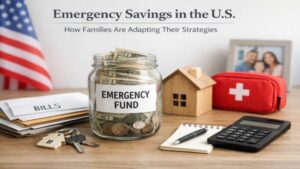
Having a financial safety net is crucial for handling unforeseen expenses. A well-structured emergency fund can bring peace of mind and financial stability. This guide will walk you through the steps to create an efficient emergency fund in the USA, ensuring you are prepared for life’s unexpected events.
In the following sections, we will explore how to establish, grow, and maintain an emergency fund that suits your needs. By implementing these strategies, you can secure your financial future and handle emergencies with confidence.
Understanding the Importance of a Financial Reserve

An emergency fund is a designated pool of money set aside to cover unanticipated expenses, such as medical bills, car repairs, or job loss. It acts as a financial cushion, preventing you from going into debt when unexpected costs arise. The importance of this reserve cannot be overstated—it’s a key component of personal financial management.
Primarily, an emergency fund provides a safety net that helps maintain your financial health. Without this buffer, you might have to rely on credit cards or loans, which can compound financial stress through high-interest rates and debt accumulation. By having a reserve, you minimize these risks and can focus on addressing the emergency itself.
Additionally, knowing that you have a financial backup can significantly reduce anxiety during stressful times. This sense of security allows you to make clearer, more informed decisions rather than panicking and potentially making poor financial choices. With an adequate emergency fund, you gain control over your financial stability.
Setting Goals for Your Emergency Savings
To create an efficient financial buffer, you first need to set clear savings goals. Determine the amount you want in your fund, typically between three to six months of living expenses. This range gives you a safe margin to handle most common emergencies without depleting your resources completely.
Evaluate your monthly expenses carefully—include essentials such as rent, utilities, groceries, transportation, and any debt payments. Multiply your monthly total by three to six to arrive at your target amount. Tailoring your goal to your unique circumstances ensures that your reserve is adequate for your needs.
Once you have a target, break it down into manageable monthly savings goals. Setting a timeline can help keep you on track. For example, if you aim to save $6,000 within a year, you would need to save $500 each month. Consistent contributions will steadily build up your emergency fund over time.
Choosing the Right Saving Account
Selecting an appropriate savings account is essential for safeguarding your fund. Look for accounts with high interest rates and low fees. These features help your money grow more quickly and reduce the erosion of your funds due to maintenance charges.
Online banks often offer higher interest rates compared to traditional brick-and-mortar institutions because they have lower operating costs. Do your research and compare different banks to find the best rates and terms. You might also consider a high-yield savings account, which can offer better returns on your deposits.
Ensure that the account you choose is easily accessible in case of emergencies. While you want your reserve to earn interest, it’s also crucial that you can quickly withdraw funds when necessary. Balancing accessibility with earning potential is key to choosing the right account.
Building and Maintaining Your Emergency Fund
After setting your goals and choosing an account, the next step is to consistently build your reserve. Start by automating your savings—a simple way to ensure regular contributions. Set up automatic transfers from your checking account to your savings account on each payday.
Making saving a priority can also expedite reaching your target. Treat your savings contribution like a non-negotiable monthly expense. This disciplined approach helps prevent spending temptations, ensuring steady growth of your fund.
Additionally, whenever you receive extra money like tax refunds, bonuses, or monetary gifts, allocate a portion to your emergency fund. These windfalls can significantly speed up your savings progress, so take advantage of these opportunities to boost your reserve faster.
Monitoring and Adjusting Your Savings Plan
Regularly reviewing your savings strategy is crucial for maintaining an efficient fund. Each financial situation evolves over time, and your reserve needs to adapt accordingly. Conduct periodic assessments of your savings to ensure they still meet your goals and cover your current living expenses.
Adjust your monthly contributions as necessary. If your income increases, consider increasing your savings rate to build up your fund more quickly. Conversely, if your expenses rise, you might need to extend your savings timeline to accommodate higher costs. Flexibility and responsiveness to changes are key factors in maintaining an effective fund.
Monitoring your progress also includes ensuring your chosen savings account continues to offer competitive rates. Financial products frequently change, and better options might become available. Stay informed and be ready to switch accounts if it benefits your fund’s growth.
Using Your Emergency Fund Wisely
An emergency fund should be reserved strictly for genuine crises. It’s important to distinguish between emergencies and non-urgent financial desires. Utilizing your reserve for vacations, luxury items, or other non-essentials defeats the purpose and leaves you vulnerable when true emergencies occur.
Before dipping into your safety net, evaluate the situation carefully. Is it an urgent need, or can it wait? If the expense is non-urgent, consider alternative ways of funding it without compromising your emergency savings.
When you do need to use your fund, prioritize replenishing it as soon as possible. Treat your savings plan as a cycle rather than a one-time effort. By diligently restoring your reserve after each withdrawal, you ensure that your financial safety net remains robust and ready for future challenges.
Having a financial safety net is crucial for handling unforeseen expenses. A well-structured emergency fund can bring peace of mind and financial stability. This guide will walk you through the steps to create an efficient emergency fund in the USA, ensuring you are prepared for life’s unexpected events.
In the following sections, we will explore how to establish, grow, and maintain an emergency fund that suits your needs. By implementing these strategies, you can secure your financial future and handle emergencies with confidence.
Understanding the Importance of a Financial Reserve
An emergency fund is a designated pool of money set aside to cover unanticipated expenses, such as medical bills, car repairs, or job loss. It acts as a financial cushion, preventing you from going into debt when unexpected costs arise. The importance of this reserve cannot be overstated—it’s a key component of personal financial management.
Primarily, an emergency fund provides a safety net that helps maintain your financial health. Without this buffer, you might have to rely on credit cards or loans, which can compound financial stress through high-interest rates and debt accumulation. By having a reserve, you minimize these risks and can focus on addressing the emergency itself.
Additionally, knowing that you have a financial backup can significantly reduce anxiety during stressful times. This sense of security allows you to make clearer, more informed decisions rather than panicking and potentially making poor financial choices. With an adequate emergency fund, you gain control over your financial stability.
Setting Goals for Your Emergency Savings
To create an efficient financial buffer, you first need to set clear savings goals. Determine the amount you want in your fund, typically between three to six months of living expenses. This range gives you a safe margin to handle most common emergencies without depleting your resources completely.
Evaluate your monthly expenses carefully—include essentials such as rent, utilities, groceries, transportation, and any debt payments. Multiply your monthly total by three to six to arrive at your target amount. Tailoring your goal to your unique circumstances ensures that your reserve is adequate for your needs.
Once you have a target, break it down into manageable monthly savings goals. Setting a timeline can help keep you on track. For example, if you aim to save $6,000 within a year, you would need to save $500 each month. Consistent contributions will steadily build up your emergency fund over time.
Choosing the Right Saving Account
Selecting an appropriate savings account is essential for safeguarding your fund. Look for accounts with high interest rates and low fees. These features help your money grow more quickly and reduce the erosion of your funds due to maintenance charges.
Online banks often offer higher interest rates compared to traditional brick-and-mortar institutions because they have lower operating costs. Do your research and compare different banks to find the best rates and terms. You might also consider a high-yield savings account, which can offer better returns on your deposits.
Ensure that the account you choose is easily accessible in case of emergencies. While you want your reserve to earn interest, it’s also crucial that you can quickly withdraw funds when necessary. Balancing accessibility with earning potential is key to choosing the right account.
Building and Maintaining Your Emergency Fund
After setting your goals and choosing an account, the next step is to consistently build your reserve. Start by automating your savings—a simple way to ensure regular contributions. Set up automatic transfers from your checking account to your savings account on each payday.
Making saving a priority can also expedite reaching your target. Treat your savings contribution like a non-negotiable monthly expense. This disciplined approach helps prevent spending temptations, ensuring steady growth of your fund.
Additionally, whenever you receive extra money like tax refunds, bonuses, or monetary gifts, allocate a portion to your emergency fund. These windfalls can significantly speed up your savings progress, so take advantage of these opportunities to boost your reserve faster.
Monitoring and Adjusting Your Savings Plan
Regularly reviewing your savings strategy is crucial for maintaining an efficient fund. Each financial situation evolves over time, and your reserve needs to adapt accordingly. Conduct periodic assessments of your savings to ensure they still meet your goals and cover your current living expenses.
Adjust your monthly contributions as necessary. If your income increases, consider increasing your savings rate to build up your fund more quickly. Conversely, if your expenses rise, you might need to extend your savings timeline to accommodate higher costs. Flexibility and responsiveness to changes are key factors in maintaining an effective fund.
Monitoring your progress also includes ensuring your chosen savings account continues to offer competitive rates. Financial products frequently change, and better options might become available. Stay informed and be ready to switch accounts if it benefits your fund’s growth.
Using Your Emergency Fund Wisely
An emergency fund should only be used for true crises, not for non-essential expenses like vacations or luxury items. Before using it, evaluate if the situation is truly urgent. If not, find other ways to cover the cost. After using your fund, prioritize replenishing it quickly to keep your financial safety net strong.