
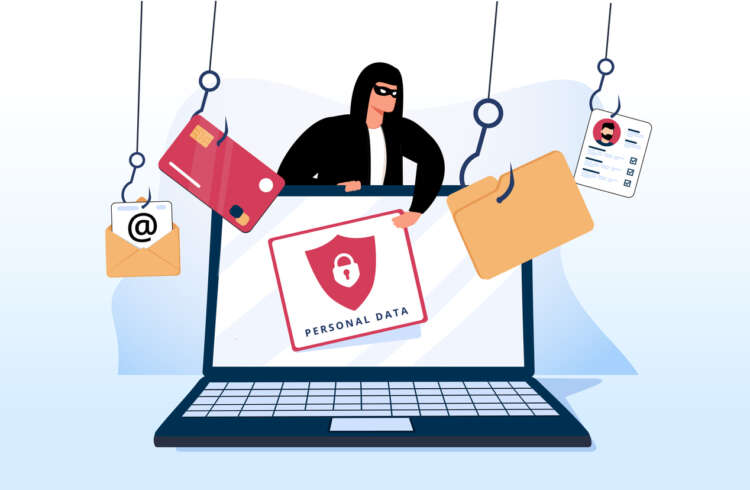
In today’s digital age, safeguarding your financial assets and personal information has become more crucial than ever. As incidents of fraud and identity theft rise, knowing effective ways to protect your finances against these threats can save you from significant distress and loss. Here, we’ll explore several strategies to keep your money safe and your identity secure against potential risks.
Sadly, fraudsters and cybercriminals are constantly developing new techniques to exploit vulnerabilities. Whether it’s through phishing emails, malware, or data breaches, being vigilant is key. Let’s dive into practical steps to shield your financial well-being and personal information.
Understanding Financial Fraud and Identity Theft

Before delving into specific preventive measures, it’s important to understand what financial fraud and identity theft entail. Financial fraud occurs when someone illegally obtains your money or personal information. This can happen through a variety of means, including stealing your debit or credit card information, forging documents, or online scams.
On the other hand, identity theft involves someone unlawfully using your personal details, such as your social security number or driver’s license, often to open new accounts in your name or to conduct unauthorized transactions. Being knowledgeable about different tactics used by thieves can better prepare you to protect yourself.
By recognizing the nuances between fraud and identity theft, you can formulate a more comprehensive strategy to guard against these threats, ensuring that your finances and personal information remain secure.
Recognize the Warning Signs
One of the first steps in protecting your finances is to recognize the early warning signs of fraud and identity theft. For instance, unfamiliar transactions on your bank statements, emails or messages from financial institutions about unexpected changes, and credit reports showing accounts you didn’t open are red flags.
Additionally, receiving calls from debt collectors about debts you don’t recognize can also indicate that your identity has been compromised. Always keep an eye on your financial records and credit reports to catch these signs early.
If you notice anything unusual, report it immediately to your financial institution and relevant authorities. Quick action can prevent further misuse of your information and mitigate potential losses.
Regularly Monitor Your Accounts
Regular monitoring of your financial accounts is another essential step. By frequently checking your bank statements, credit card bills, and investment accounts, you can quickly spot any unauthorized transactions. The sooner you notice an irregularity, the sooner you can address the issue.
Many banks offer real-time alerts for transactions made on your accounts. Activate these alerts to stay informed about your financial activities. Additionally, utilize tools and services that provide credit monitoring and identity theft protection.
Regular monitoring not only helps in detecting fraud early but also ensures you are better informed about your financial health and can manage your money more effectively.
Enhancing Your Online Security
In our highly connected world, much of our financial activity happens online. Therefore, securing your digital presence is paramount. Start by using strong, unique passwords for all your financial accounts. A strong password should include a mix of letters, numbers, and special characters.
Moreover, employing two-factor authentication (2FA) adds an extra layer of security. This method requires not only a password but also a second form of verification, like a code sent to your phone. Even if someone acquires your password, they won’t be able to access your account without the second factor.
To further bolster your security, be cautious when sharing personal information online. Avoid public Wi-Fi for financial transactions and ensure that websites are secure by looking for “https” in the URL. These measures can significantly reduce the risk of falling victim to online fraud.
Secure Your Devices
Equally important is securing the devices you use to access your financial information. Install reputable antivirus and anti-malware software to protect against malicious attacks. Regularly update your operating system and software applications to patch any security vulnerabilities.
Encrypt sensitive information on your devices and back up important data regularly. Avoid opening unsolicited emails or clicking on unknown links, as these could be phishing attempts designed to steal your information.
By taking these steps, you can ensure that your devices are less vulnerable to cyber attacks, thereby safeguarding your financial and personal data.
Educate Yourself and Stay Informed
Staying informed about the latest trends in financial fraud and identity theft can help you stay one step ahead of criminals. Subscribe to newsletters from reputable financial institutions and cybersecurity experts to receive updates on new threats and protection methods.
Furthermore, educate yourself about the different types of financial scams, including phishing, vishing (voice phishing), and smishing (SMS phishing). Understanding how these scams work can help you recognize and avoid them.
Knowledge is power, and being well-informed enables you to make better decisions in protecting your finances and personal identity from fraud.