
The evolution of health policy can significantly impact financial planning, requiring adjustments and new strategies. It’s crucial for individuals and families to stay informed about these changes to safeguard their financial well-being. Health policy modifications may lead to alterations in coverage, out-of-pocket expenses, and overall healthcare costs, influencing financial plans profoundly.
For instance, new regulations or the introduction of additional benefits can change the landscape of healthcare expenses, affecting savings and investment decisions. It is essential to understand the implications of these policies to ensure that one’s financial strategy remains robust and resilient. Here, we delve into the impact of these changes and how they reshape financial planning.
The Effects of Regulatory Adjustments on Healthcare Costs

Changes in healthcare regulations directly influence medical expenses and, by extension, personal financial plans. When government policies alter coverage requirements or pricing for medications and services, individuals may need to adjust their budgets accordingly. These adjustments can include allocating more funds for healthcare or modifying insurance plans to better suit individual needs.
For example, if a policy increases the price cap for specific treatments or prescriptions, patients might face higher out-of-pocket costs. This scenario necessitates a review and possible reallocation of financial resources to cover these rising expenses. Keeping abreast of policy changes ensures that financial plans can be adjusted proactively.
Moreover, understanding policy implications can help individuals choose the best health insurance options and savings strategies. Staying informed and consulting with financial advisors can mitigate the financial impact of these changes, optimizing one’s financial health in the long run.
Adapting Budgets to New Health Policies
One of the immediate responses to health policy changes should be the reassessment of personal and household budgets. When new policies lead to increased healthcare costs, individuals may need to reduce spending in other areas or find new income sources to offset the additional expenses. Creating a flexible budget that can accommodate unexpected health-related costs is vital.
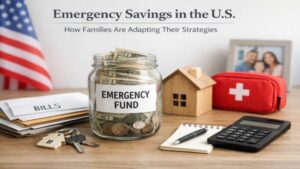
It’s also crucial to factor in potential future policies that could affect healthcare expenses. Building an emergency fund specifically for health-related expenditures can provide a financial cushion, ensuring that sudden policy changes do not derail long-term financial goals.
Regularly reviewing and updating one’s budget in response to health policy adjustments can help maintain financial stability. Even minor changes in healthcare laws can have significant financial effects, so proactive budget management is essential for coping with these impacts.
Investment Strategies Amid Changing Healthcare Landscapes
Investment strategies may also need to adapt to the evolving healthcare environment. Health policy changes can affect the stock market, particularly shares of healthcare companies and insurers. Investors should stay informed about these policies to make informed decisions about their portfolios.
For instance, policies favoring pharmaceutical innovation may boost stock prices for biotech companies, while regulatory restrictions could negatively impact certain healthcare sectors. Investors need to monitor these trends and consider how projected changes might influence their investment choices.
Consulting with a financial advisor who is knowledgeable about the healthcare sector can provide valuable insights, helping investors make strategic moves that align with current and anticipated policy shifts. A diversified portfolio that accounts for health policy impacts can enhance financial resilience.
Long-Term Considerations For Financial Planning
Incorporating potential health policy changes into long-term financial planning is crucial for ensuring financial security. This involves understanding the broader implications of policy trends and preparing for various scenarios. Long-term financial plans should remain flexible to adapt to unforeseen policy adjustments.
It is also important to consider retirement plans, as changes in healthcare policies can significantly impact post-retirement healthcare costs. Proactive planning, including saving for possible increases in these expenses, can safeguard one’s retirement funds and overall financial health.
Engaging with a financial advisor who understands the interplay between health policies and financial planning can provide strategic insights. This collaboration ensures that individuals can navigate the complexities of health policy changes and secure their financial future.
Healthcare Savings Accounts and Their Role
Healthcare savings accounts, such as HSAs and FSAs, can play a pivotal role in managing the financial consequences of health policy changes. These accounts offer tax advantages that can help offset increased medical costs brought about by new policies.
Contributions to HSAs and FSAs should be maximized whenever possible, as they provide a financial buffer against unexpected healthcare expenses. These accounts also offer flexibility in paying for a wide range of medical services and products, making them a valuable component of a comprehensive financial plan.
Monitoring changes in health policy related to these savings accounts’ regulations ensures that individuals take full advantage of their benefits. Proper management of these accounts can significantly mitigate the financial impact of policy changes on healthcare costs.
The Role of Insurance Adjustments
Health insurance is a critical factor in financial planning, especially given its potential fluctuation due to policy changes. Adjusting insurance plans to align with new regulations or benefits is essential for managing healthcare expenses effectively.
Choosing the right insurance plan involves evaluating coverage options, costs, and the potential impact of future policy changes. This requires staying informed about regulatory developments and understanding their implications for various insurance products.
Working closely with insurance professionals can help navigate this complex landscape. Making informed decisions about health insurance ensures that individuals are well-prepared to handle the financial burden of medical expenses, regardless of policy changes.