
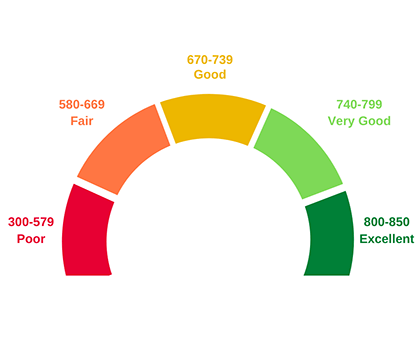
In the intricate web of financial systems that govern modern society, credit scores stand as one of the most influential metrics. In the United States, this numerical representation of an individual’s creditworthiness holds immense importance, impacting everything from loan approvals to rental agreements.
Understanding the significance of credit scores in the U.S. requires delving into their role, factors affecting them, and the broader implications they have on individuals and the economy.
The basics of credit scores

Credit scores play a pivotal role in assessing an individual’s financial credibility and ability to manage debt responsibly. These scores, which usually fall within a range of 300 to 850, are more than just numerical representations; they serve as a comprehensive gauge of one’s creditworthiness.
The significance of credit scores cannot be overstated, as they influence various aspects of financial life. Essentially, they encapsulate an individual’s credit history, payment behavior, and overall financial health into a single number.The spectrum of credit scores reflects a diverse array of financial profiles.
At one end lie the higher scores, denoting a lower credit risk. This segment of individuals enjoys favorable terms and conditions when seeking loans or credit lines, as their robust credit scores testify to their responsible financial management.
Factors influencing credit scores
Several factors contribute to determining an individual’s credit score. Payment history holds significant weight, reflecting whether an individual has consistently made payments on time.
The amount owed, types of credit used, length of credit history, and new credit inquiries also play pivotal roles. Understanding these factors empowers individuals to make informed financial decisions to improve their creditworthiness.
Access to financial opportunities
In the United States, credit scores wield substantial influence over access to financial opportunities. A high credit score opens doors to favorable loan terms, including lower interest rates and higher borrowing limits.
Conversely, individuals with lower scores may encounter challenges securing loans or face higher interest rates, limiting their financial options. From mortgages to auto loans, credit scores shape the trajectory of individuals’ financial lives.
Impact on housing and rental markets
The significance of credit scores extends beyond loan approvals, impacting housing and rental markets profoundly. Landlords and property managers often consider credit scores when screening potential tenants, viewing them as indicators of financial responsibility.
A low credit score may result in denial of rental applications or require larger security deposits, affecting individuals’ housing options and financial stability.
Employment opportunities and insurance premiums
Beyond financial realms, credit scores can influence employment opportunities and insurance premiums. Some employers conduct credit checks as part of the hiring process, particularly for roles involving financial responsibilities.
Additionally, insurance companies may use credit scores to determine premiums for auto, homeowners, and renters insurance. Individuals with lower scores may face higher insurance costs, further emphasizing the importance of maintaining good credit.
Building and maintaining good credit
Given the far-reaching implications of credit scores, building and maintaining good credit is essential. Consistently making on-time payments, keeping credit card balances low, and avoiding unnecessary credit inquiries are fundamental strategies.
Regularly reviewing credit reports for inaccuracies and addressing any issues promptly can also safeguard credit health. By prioritizing responsible financial habits, individuals can strengthen their creditworthiness and unlock greater financial opportunities.
The role of credit scores in economic stability
On a broader scale, credit scores play a crucial role in maintaining economic stability. A population with strong credit profiles fosters a healthy lending environment, facilitating economic growth and investment.
Conversely, widespread financial distress resulting from poor credit management can strain financial institutions and hinder economic progress. Thus, promoting financial literacy and empowering individuals to manage their credit responsibly contributes to overall economic resilience.
Challenges and criticisms
Despite their utility, credit scores are not without challenges and criticisms. Some argue that credit scoring models may perpetuate systemic inequalities, disproportionately impacting marginalized communities.
Additionally, reliance on credit scores as the sole measure of creditworthiness overlooks alternative indicators of financial responsibility. Addressing these concerns requires ongoing evaluation and potential reforms to create more inclusive and equitable credit systems.
Conclusion
In the United States, credit scores serve as linchpins of the financial landscape, shaping access to opportunities and influencing individuals’ financial trajectories. Understanding the factors that contribute to credit scores and adopting responsible financial habits are crucial steps toward achieving and maintaining good credit.
By recognizing the broader implications of credit scores on housing, employment, and economic stability, individuals can navigate the financial landscape more effectively and contribute to a healthier, more resilient economy.