
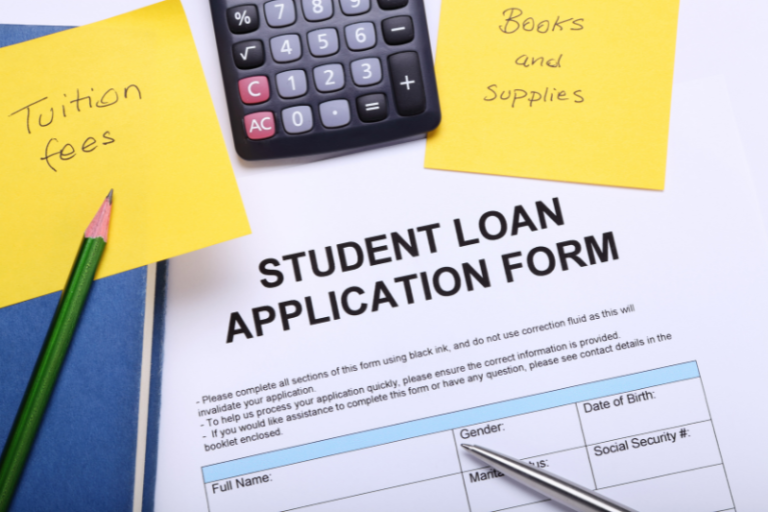
In the intricate and multifaceted realm of contemporary education, securing financial support for college expenses such as tuition fees, accommodation, textbooks, and sundry other necessities necessitates a meticulously devised approach.
Federal student loans emerge as pivotal components within the arsenal of financial aid for countless students, yet the multitude of alternatives accessible often proves daunting to decipher. Understanding the various types of federal student loans, their eligibility requirements, repayment options, and financial implications is essential for making informed decisions about higher education financing.
Within the contents of this extensive guidebook, we shall undertake an expedition to delve into the nuances of various federal student loan classifications, delineate the eligibility criteria, elucidate repayment alternatives, and furnish borrowers with indispensable pearls of wisdom to facilitate responsible financial planning.
Introduction to Federal Student Loans

As the expenses linked to advancing in higher education continue to escalate, the imperative need for financial aid has become apparent to numerous students and families. Spearheaded by the U.S. Department of Education’s Federal Student Aid program, federal student loans serve as a beacon of low-interest financial support for qualifying students, mitigating the monetary burden associated with post-secondary educational costs.
Distinguishing themselves from private counterparts, federal student loans frequently present advantageous terms, including stable interest rates, flexible income-based repayment schemes, and avenues for loan forgiveness. These loans offer students the opportunity to pursue higher education without the high-interest rates and stringent repayment terms often associated with private loans.
Understanding the structure, benefits, and potential drawbacks of each loan type is essential for students aiming to optimize their financial planning while avoiding excessive debt accumulation.
Understanding the Different Types of Federal Student Loans
Federal student loans are categorized into four primary types, each designed to cater to specific student needs and financial circumstances:
1. Direct Subsidized Loans
Direct Subsidized Loans are available to undergraduate students who demonstrate financial need. These loans come with a major advantage: the federal government covers the interest while the borrower is enrolled in school at least half-time, during the grace period after leaving school, and during deferment periods. This feature significantly reduces the long-term financial burden on students who qualify.
2. Direct Unsubsidized Loans
Unlike subsidized loans, Direct Unsubsidized Loans are available to both undergraduate and graduate students, regardless of financial need. However, interest begins accruing from the moment the loan is disbursed. While borrowers may choose to defer payments while still in school, the accumulated interest is added to the principal balance, increasing the overall repayment amount.
3. Direct PLUS Loans
Direct PLUS Loans are available to graduate or professional degree students and parents of dependent undergraduate students. Unlike subsidized and unsubsidized loans, these loans require a credit check and may require repayment to begin immediately. Due to their higher interest rates and less favorable terms, borrowers should carefully evaluate their necessity before opting for a PLUS loan.
4. Direct Consolidation Loans
Borrowers with multiple federal student loans may choose to consolidate them into a single loan with a fixed interest rate and a single monthly payment. While consolidation can simplify repayment, it may result in a longer repayment term and higher total interest paid over time.
Eligibility and Application Process
To qualify for federal student loans, students must annually fulfill the requirement of completing the Free Application for Federal Student Aid (FAFSA). This pivotal document acts as the conduit for evaluating eligibility across a range of financial aid avenues, including grants, work-study programs, and federal student loans.
The FAFSA form gathers critical financial information about the applicant and their family, assessing factors such as income, assets, and household size to determine the student’s financial need. Completing the FAFSA early is crucial, as some financial aid programs operate on a first-come, first-served basis.
Seekers of guidance and support in navigating the complexities of the FAFSA and understanding available aid options can turn to high school counselors and financial aid advisors, empowering students to make well-informed choices concerning their educational financing.
Repayment Options and Loan Forgiveness Programs
Federal student loans offer a spectrum of flexible repayment alternatives designed to suit the diverse financial situations of borrowers. Understanding repayment options is crucial for preventing financial strain post-graduation.
Income-Driven Repayment Plans
Income-driven repayment plans adjust monthly payments based on the borrower’s income level and family size. The most common plans include:
- Income-Based Repayment (IBR): Payments are capped at a percentage of the borrower’s discretionary income, typically 10-15%.
- Pay As You Earn (PAYE): Offers lower payments based on income and loan forgiveness after 20 years of qualifying payments.
- Revised Pay As You Earn (REPAYE): Similar to PAYE but with extended forgiveness timelines for graduate borrowers.
- Income-Contingent Repayment (ICR): Adjusts payments based on income and forgives any remaining balance after 25 years of qualifying payments.
Loan Forgiveness Initiatives
Several loan forgiveness programs provide relief for borrowers working in public service or specific professions:
- Public Service Loan Forgiveness (PSLF): Available to borrowers working for government or nonprofit organizations. Remaining loan balances are forgiven after 120 qualifying monthly payments.
- Teacher Loan Forgiveness: Offers forgiveness for teachers in low-income schools who meet eligibility requirements.
- Perkins Loan Cancellation: Provides loan cancellation for borrowers in qualifying professions, such as nursing, law enforcement, or public defense.
Best Practices for Borrowers
Although federal student loans offer indispensable aid in financing education, exercising responsible borrowing practices is paramount to mitigate the risk of accruing excessive debt. Here are some best practices:
- Borrow Only What Is Necessary: Calculate your total college expenses and borrow only what is required to cover essential costs.
- Understand Your Loan Terms: Be aware of interest rates, repayment plans, and forgiveness options before accepting a loan.
- Make Interest Payments While in School: If possible, pay off interest on unsubsidized loans to prevent it from capitalizing.
- Stay Informed About Repayment Plans: Review repayment options regularly and switch plans if your financial situation changes.
- Communicate with Loan Servicers: Stay proactive in addressing any repayment issues or concerns with your loan provider.
- Consider Additional Funding Sources: Apply for scholarships, grants, and work-study programs to reduce reliance on loans.
Conclusion
Successfully navigating the intricacies of federal student loans demands meticulous attention to eligibility prerequisites, diverse loan classifications, repayment alternatives, and the enduring financial ramifications. By grasping the intricacies of federal student aid initiatives and embracing prudent borrowing habits, students can pursue their educational aspirations while mitigating financial strain.
It’s crucial to recognize that education constitutes an investment in the future, and employing strategic financial planning methodologies is indispensable in realizing academic objectives without succumbing to undue fiscal pressure. Borrowers who take a proactive approach in understanding their loans, exploring repayment and forgiveness options, and implementing sound financial management strategies will be well-equipped to handle their educational debt responsibly while maximizing their career opportunities.