
It is not easy to grasp various delivery models of the American healthcare; it becomes even more challenging to determine how to finance the desired treatments. There are specific aspects of keeping up with the often high costs of medical care within the United States and it is crucial to understanding insurance plans, saving for medical expenses, and possible future bills and charges that can occur.
In this post, we will look into some of the subtopics that form US healthcare system and use this post to share some tips on how to always be financially ready for any arising healthcare needs. What it’s important to know is that healthcare expenditures in the U. S. can be fairly unanticipated.
Thus, although health insurance plays a critical role of alleviating the financial difficulty, out of pocket costs including co-payments, deductibles, and services not covered by insurance still present a challenge. Hence the need to embrace constant financial planning as this is the only way to be ready when an unpredicted medical bill comes bounding.
Breaking Down Health Insurance Options

Healthcare insurance is crucial for managing health costs in the U.S., with options including employer-funded, government-funded, and private insurance. Each offers different coverage levels and costs. Employer-funded plans are often affordable due to contributions from your employer.
For those without such coverage, government programs like Medicaid (for low-income earners) and Medicare (for the elderly) provide alternatives. Private insurance allows for customizable plans but is typically more expensive. Comparing plans, assessing premiums, and estimating out-of-pocket costs will help you choose the plan that best fits your needs and budget.
Maximizing Employer-Sponsored Plans
Many health plans offered by employers can be described as containing a middle ground between full-spectrum and cheap plans. Such plans usually have lower premiums because the employer is contributing and offer the choice of numerous healthcare facilities.
Employer-sponsored plans should therefore be optimized by using preventive care services which are usually covered in full such as check ups, screenings and vaccinations. Knowing the fine details of your plans such as the scope of the deductibles, the amount that you’ll be required to pay out of your own pocket, or how much you’ll be charged after you’ve met your out of pocket expenses are all essentials to help in cost forecasting.
Also, to mention HSAs or FSAs enables one to get some tax advantages as it is stated in Saving money for health expenses. These accounts enable you to deduct a specific amount of your income before tax to cater for your future medical expenses which in turn can help to lower your income tax amounts.
Exploring Government Programs
Medicaid and Medicare are government programs providing healthcare to eligible individuals. Medicaid assists low-income persons and families, while Medicare serves those 65 and older or younger individuals with disabilities.
Medicaid coverage depends on income, while Medicare is based on age or disability. Both programs cover a range of services, including hospital care, doctor visits, and prescriptions, but may have restrictions and co-pays.
Enrolling in these programs can reduce healthcare costs. It’s important to understand coverage details, check eligibility regularly, and stay informed about program changes.
Creating a Healthcare Savings Strategy
Building a healthcare savings strategy is crucial. Even with insurance, out-of-pocket costs can add up, so setting aside funds for both routine and emergency needs is wise.
Consider opening a Health Savings Account (HSA) if you have a high-deductible plan. HSAs offer tax-deductible contributions, tax-free growth, and tax-free withdrawals for qualified expenses. Alternatively, a Flexible Spending Account (FSA) through your employer offers similar tax benefits but requires funds to be used within the plan year. Both accounts allow pre-tax contributions, enhancing your healthcare savings.
Allocating Funds Proactively
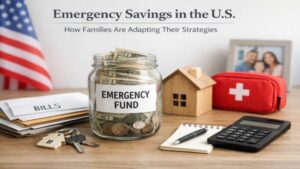
Proactive fund allocation is key to managing healthcare expenses. Estimate your annual medical costs to determine HSA or FSA contributions. Contribute early in the year to maximize tax benefits and ensure funds are available. Regularly review and adjust based on changes in health or expenses. Also, maintain an emergency fund for unexpected medical bills.
Leveraging Tax Benefits
It therefore becomes fashionable to consider tax aspects while carrying out financial planning for health care systems. Taking out cash to fund HSAs and FSAs reduces your taxable income with pre-tax money and gives immediate tax relief. Another way in which HSA funds can increase is through investment and this does not attract any taxes.
When one has massive medical costs, it is even possible to reduce taxable income through listing deductions when filing the tax returns. Besides, there exists provisions made that allow one to claim the medical expenses that meet the threshold that is usually a given percentage of the adjusted gross income (AGI).
Thus, the detailed records of all health care expenses, including after-tax insurance premiums, could also be helpful in maximizing these deductions. Litigation of these tax advantages can help improve your health care saving plan. It is recommended to get professional help from a tax adviser to assist on issues to do with healthcare tax deductions and credits.