
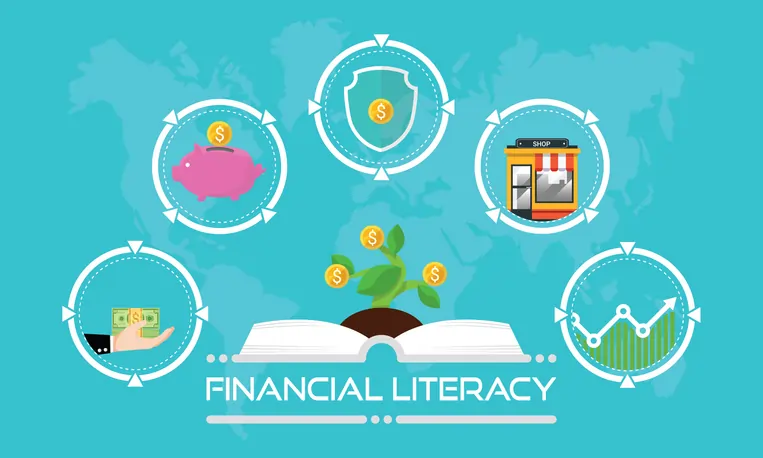
Teaching children and adolescents how to manage money, understand saving and building healthy financial habits can set them up for lifelong success. In today’s complex economic world, it is more important than ever to introduce financial literacy at an early age. By laying a solid foundation in money management, we can prepare the next generation to make informed financial decisions that will benefit them for years to come.
The Importance of Early Financial Education

Instilling financial literacy in children and young people is paramount. Early education in money matters helps demystify complex economic concepts, making them more approachable and comprehensible. Additionally, when kids learn about budgeting, saving, and making thoughtful purchases, they develop responsible habits that influence their futures positively.
Financial literacy also contributes to building confidence in managing personal finances. Understanding the basics of economics, such as the difference between needs and wants, helps young individuals become more mindful spenders. This consciousness aids in the cultivation of a healthy relationship with money, essential for adulthood.
Parents and educators play a vital role in imparting these crucial skills. By leveraging everyday situations, they can teach valuable lessons about the importance of earning, saving, and investing money wisely, thus reinforcing the foundation of financial knowledge from a young age.
Practical Tips for Teaching Kids About Money
One effective approach to teaching youngsters about finances is through practical, real-life experiences. For instance, taking them grocery shopping provides a great opportunity to discuss budgeting. Allowing them to make purchasing decisions within a set budget helps them understand the concept of trade-offs.
Encourage youngsters to save. Opening a savings account in their name can be a powerful tool. It not only teaches them about the banking system but also instills the importance of setting money aside for future needs. Rewarding them for saving can further reinforce this habit.
Additionally, introduce basic investment concepts gradually. Simple ideas like earning interest or the benefits of investing in stocks can be made accessible through age-appropriate educational materials. Early exposure to these concepts can spark curiosity and potentially inspire a future interest in financial subjects.
Using Technology to Enhance Financial Literacy
In today’s digital age, technology offers a plethora of tools to aid in financial education. There are numerous apps designed specifically to teach financial concepts in an engaging and interactive manner. These apps use games and challenges to explain ideas like budgeting, saving, and investing, making learning fun.
Online financial literacy programs and resources are also valuable. Websites dedicated to financial education for young people provide informative articles, instructional videos, and interactive tools that simplify complex concepts. Resources from trusted institutions can be an excellent supplement to traditional teaching methods.
By integrating technology into financial education, we can make learning more dynamic and relatable to tech-savvy youth. This integration not only keeps them engaged but also gives them hands-on experience with tools and resources they will use as financially responsible adults.
Financial Literacy Initiatives in Schools
Educational institutions have a significant role in promoting financial literacy. Integrating financial education into the school curriculum ensures that all students gain essential money management skills. Schools across the United States are beginning to recognize the importance of this integration.
Some schools have adopted specialized programs designed to teach students about personal finance. These programs cover a range of topics, from basic budgeting to understanding credit scores and loans. By including these subjects in the curriculum, schools provide an invaluable foundation that students can build upon throughout their lives.
Extracurricular activities, such as finance clubs and competitions, are also beneficial. These activities not only reinforce classroom learning but also provide a platform for students to apply their knowledge in real-world scenarios, fostering a practical understanding of financial principles.
Parental Involvement in Financial Education
Parents are integral to their child’s financial education. Setting a good example is one of the most effective ways to teach children about money. Demonstrating healthy financial habits, such as budgeting, saving, and making informed financial decisions, provides a living model for children to emulate.
Conversations about money should not be taboo. Discussing financial matters openly helps demystify money management. Parents can explain household budgeting, talk about saving for family goals, and involve their children in financial planning discussions, thus promoting a comprehensive understanding of personal finance.
Financial education books and games tailored for young audiences are excellent resources. Reading about financial concepts in a story format or playing money-related board games can make learning about finance more engaging and less daunting for children.
The Long-Term Benefits of Financial Literacy
Instilling financial literacy at a young age has long-term benefits. Individuals who are financially literate are more likely to make informed decisions, avoid debt, and achieve financial stability. Moreover, they are better prepared to handle economic challenges and opportunities as they arise.
Financially literate individuals can contribute positively to society. By being informed consumers and responsible investors, they contribute to the economic well-being of their communities. This collective financial health strengthens the larger economy, promoting sustained growth and prosperity.
Ultimately, empowering the next generation with financial knowledge ensures that they are equipped to navigate the complexities of the modern financial landscape. This empowerment promotes not just individual success, but a more financially secure and robust society.