
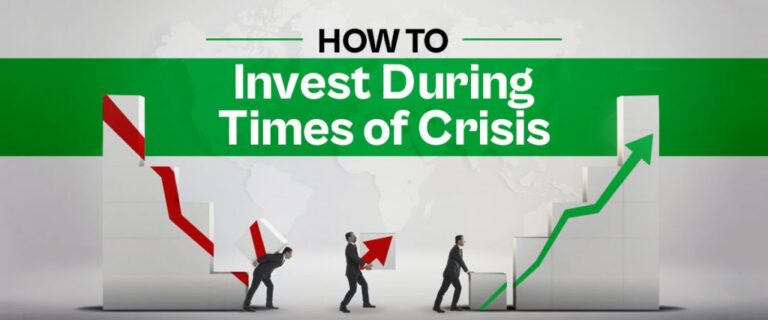
Learning how to manage investments in times of economic crisis in the USA can be overwhelming. During financial downturns, safeguarding your assets becomes more crucial than ever. By adopting strategies tailored to turbulent markets, you safeguard your financial future without succumbing to panic.
In this blog post, we will explore practical ways to handle your portfolio during economic turbulence and ensure your hard-earned money retains its value. Understanding these principles is key to maintaining financial health during periods of uncertainty.
An economic downturn can instill fear among even the most seasoned investors. The first step to managing your investments in such times is to remain calm and look beyond the immediate chaos. Establishing a clear, level-headed plan can lead you through the maze of market fluctuations.
Instead of making hasty decisions driven by panic, rely on well-considered strategies laid out with foresight. These methods will fortify your investment portfolio against volatility and offer a semblance of stability amid the storm.
Navigating Uncertain Financial Waters

During economic turmoil, diversifying investments is crucial. A varied portfolio across different sectors and asset classes reduces risk, as losses in one area may be offset by gains in another. Balancing investments in stocks, bonds, real estate, and other assets helps mitigate the impact of a crisis.
Reassess your risk tolerance in unstable times, and adjust your investments accordingly. Opting for safer assets like government bonds and blue-chip stocks can protect against high volatility. Regularly review and rebalance your portfolio to ensure it aligns with your risk appetite and financial goals. Rebalancing helps maintain a balanced investment mix, even as market conditions change.
Maintaining a Long-term Perspective
Economic crises may tempt investors to make short-term decisions that can be detrimental. Maintaining a long-term perspective helps prevent rash actions during market dips. Historically, markets recover and grow over time, so resist the urge to liquidate investments at the first sign of trouble.
Continuing regular investment contributions during downturns, known as dollar-cost averaging, can lower your average investment cost and acquire more shares when prices are low. This disciplined approach can lead to gains when the market rebounds.
Focusing on high-quality investments with strong fundamentals, such as established companies, can protect your portfolio and position it for growth as the market stabilizes. These assets often exhibit resilience due to strong management and sustainable practices.
Exploring Defensive Investment Options
Defensive investments, such as gold, utility stocks, and consumer staples, can provide stability during economic instability by maintaining their value better during downturns. Including these assets in your portfolio can reduce overall risk.
Cash reserves are also crucial, as they allow you to cover immediate expenses without selling long-term investments at a loss. Maintaining an emergency fund is a key part of a robust financial strategy.
Alternative investments, like real estate, commodities, and private equity, can further diversify risk. While they come with their own risks, they often perform differently from traditional assets like stocks and bonds, enhancing portfolio resilience and offering new growth opportunities.
Staying Informed and Proactive
Staying informed about economic conditions and market trends is crucial during financial uncertainty. Regularly review financial news, economic indicators, and expert analyses to understand market movements and their impact on your investments. This knowledge helps you make informed decisions and respond proactively to economic changes.
Working with a financial advisor offers significant benefits. Advisors provide expertise and an external perspective, helping navigate complex market conditions and tailor investment strategies to your specific needs and goals.
Maintaining financial discipline is essential. Avoid impulsive decisions based on fear or speculation. Stick to your long-term financial plan and make thoughtful adjustments as needed. This approach mitigates emotional decision-making and ensures your investments stay aligned with your overall goals.
Leveraging Technology and Tools
Technology and financial tools can significantly aid in managing investments during economic crises. Online platforms offer analytics, forecasting, and risk assessment to help make informed decisions. Automation features, like automatic contributions and rebalancing, maintain portfolio alignment with your goals and risk tolerance, promoting consistency.
Using financial apps for real-time updates keeps you informed about market changes, allowing prompt reactions and adjustments. Leveraging these tools simplifies and streamlines investment management during challenging times.
Creating a Support Network
Building a support network with fellow investors provides valuable insights and emotional reassurance during economic crises. Engaging with investment communities helps share strategies and lessons, improving your tactics.
Mentorship from experienced investors offers perspective and practical strategies, helping you avoid pitfalls and make informed decisions. Ultimately, a knowledgeable and supportive community helps manage stress and uncertainty, enhancing your ability to invest confidently during turbulent times.